

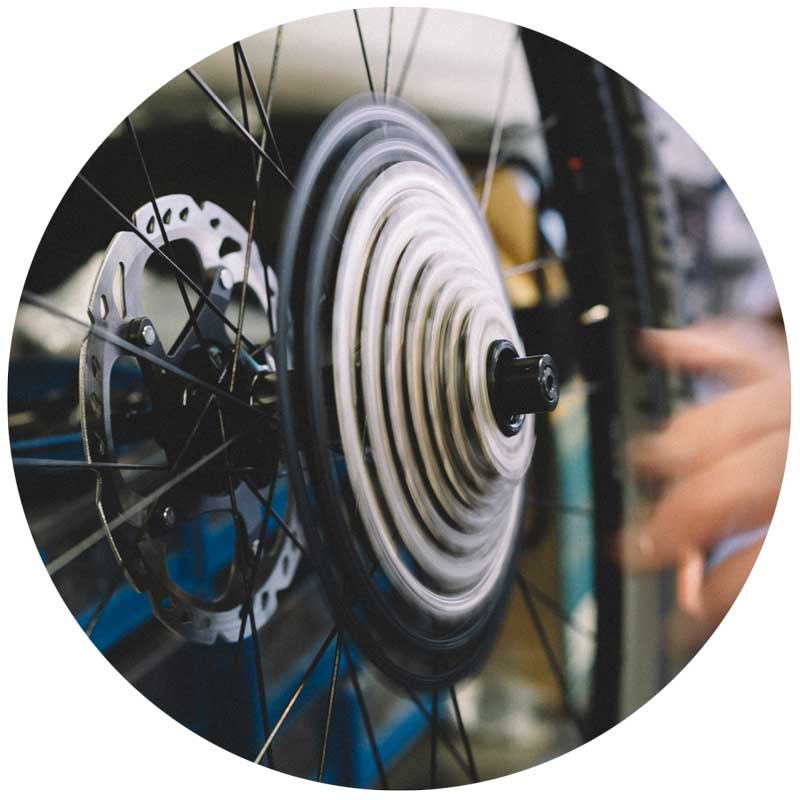

Cycling continues to grow in popularity as more people search for practical ways to stay active, manage stress, and support long-term wellness. What makes cycling especially appealing is its flexibility—it can be adapted to different fitness levels, lifestyles, and goals without requiring complicated routines. From casual neighborhood rides to structured training sessions, cycling allows individuals to build consistency at their own pace. Over time, that consistency becomes a powerful driver of physical health, mental clarity, and overall quality of life.
Improve Cardiovascular Health Through Regular Riding
Regular cycling is widely recognized as an effective way to support heart health and circulation. Sustained riding encourages the heart to work more efficiently, improving blood flow and helping regulate blood pressure. Over time, this increased efficiency can reduce strain on the cardiovascular system and lower the risk of heart-related conditions. Cycling also supports better oxygen delivery throughout the body, which improves endurance and energy levels during daily activities.
As riders develop a routine, many experience improvements in cholesterol balance, including reductions in LDL cholesterol and increases in HDL cholesterol. These changes contribute to healthier arteries and improved long-term cardiovascular outcomes. Unlike some forms of high-impact exercise, cycling allows individuals to challenge their cardiovascular system without excessive stress on joints, making it easier to maintain consistency.
The benefits are especially meaningful for people managing chronic health conditions. According to JAMA Network, regular cycling can lower mortality rates for people with diabetes by 24%, and if continued for at least five years, can decrease mortality rates by 35%. These findings reinforce the value of long-term habits over short bursts of activity and highlight cycling as a sustainable approach to health improvement.
Strengthen Muscles and Enhance Physical Endurance
Cycling provides a balanced workout that builds strength, coordination, and endurance across multiple muscle groups. The pedaling motion primarily targets the quadriceps, hamstrings, calves, and glutes, while the core muscles engage to stabilize posture and balance. Over time, this repeated activation helps tone muscles and improve overall lower-body strength without placing excessive strain on the body.
Because cycling is low-impact, it is accessible to people at many stages of fitness and recovery. Riders can adjust resistance, terrain, and duration to match their comfort level while still making meaningful progress. This adaptability makes cycling easier to sustain than more physically demanding workouts that may lead to burnout or injury.
Improved endurance is another key benefit. As stamina increases, everyday tasks such as walking, climbing stairs, or carrying groceries become easier. These gains translate into greater physical confidence and reduced fatigue, helping riders maintain an active lifestyle well beyond their cycling sessions.
Reduce Stress and Support Mental Well-Being
Mental health benefits are a major reason many people stick with cycling long-term. The steady rhythm of pedaling combined with focused breathing has a calming effect on the nervous system, helping reduce stress and mental overload. Riding outdoors enhances this benefit by providing a change of scenery and a sense of mental escape from daily pressures.
Cycling also supports emotional balance by stimulating the release of endorphins and mood-regulating neurotransmitters like serotonin and dopamine. Over time, riders often report reduced anxiety, improved mood, and greater emotional resilience. The sense of progress that comes with maintaining a routine can boost confidence and reinforce positive mental habits.
Sleep quality often improves as well. Physical exertion during cycling helps regulate circadian rhythms, making it easier to fall asleep and stay asleep. Better rest supports mental clarity, focus, and emotional stability, creating a cycle of positive reinforcement between physical activity and mental health.
Build Community and Social Connections
Cycling naturally brings people together, creating opportunities for social interaction and shared experiences. Group rides offer a way for riders to connect with others who share similar interests, fostering friendships and accountability. These connections often extend beyond riding, strengthening community bonds and support networks.
Local cycling events, charity rides, and organized meetups further enhance the social aspect of cycling. These gatherings welcome riders of all experience levels and provide opportunities to learn, exchange tips, and celebrate milestones. Participating in these events helps individuals feel more connected to their community while staying motivated.
On a broader level, cycling participation contributes to healthier, more engaged neighborhoods. As more people incorporate bicycles into their routines, communities become more active and interconnected. This shared commitment to movement and wellness supports both individual well-being and collective quality of life.
Reduce Environmental Impact Through Sustainable Choices
Cycling plays an important role in reducing environmental impact by offering a clean alternative to car travel. Choosing bicycles for short trips helps reduce emissions, lower fuel consumption, and decrease air pollution. These small individual choices collectively contribute to healthier environments and more sustainable communities.
Reduced vehicle use also eases traffic congestion and noise pollution, improving safety and livability in urban and suburban areas. Communities that support cycling often experience improved air quality and more efficient transportation systems. These benefits extend to both riders and non-riders alike.
Cycling-friendly infrastructure encourages long-term sustainability by prioritizing green transportation solutions. Investments in bike lanes and shared-use paths support safer riding conditions while promoting environmentally responsible planning. Over time, these efforts help create communities designed for healthier, more balanced living.
Support Financial Wellness Through Smart Riding Habits
Cycling offers financial advantages that complement its health benefits. Reduced reliance on cars means lower fuel costs, fewer repairs, and less wear on vehicles. Over time, these savings can add up, making cycling an economical transportation and recreation option.
Healthcare savings are another important consideration. Regular physical activity helps reduce the risk of chronic conditions, potentially lowering long-term medical expenses. Maintaining consistent movement through cycling supports preventative health, which can ease financial strain associated with treatment and recovery.
Cycling also supports local economies through demand for quality bikes, e-bikes, components, and accessories. Local shops play a vital role in keeping riders equipped, informed, and safe. This relationship between riders and local businesses strengthens community ties while supporting economic sustainability.
Overcome Practical Challenges to Maintain Consistency
While cycling offers many advantages, practical challenges can affect consistency if not addressed. Weather conditions such as heat, wind, or rain may discourage riding, but proper gear and flexible scheduling can help riders adapt. Planning routes and ride times around comfort and safety makes year-round riding more achievable.
Safety concerns related to traffic and infrastructure can also be a barrier. Choosing well-designed routes, maintaining equipment, and staying visible all contribute to safer riding experiences. Advocacy for improved cycling infrastructure further supports long-term participation. Time management is often the final hurdle. Integrating cycling into daily routines—such as commuting or errands—can make consistency easier to maintain. When riding becomes part of everyday life rather than an added task, it is far more likely to stick.
Consistent cycling supports physical strength, mental clarity, social connection, and sustainable living when approached with the right tools and guidance. For riders in Laguna Woods, CA, having access to quality bikes, e-bikes, components, and accessories makes all the difference in staying comfortable and confident on the road. With over 30 years of experience serving the cycling community, Stage 21 Bikes Inc is proud to help riders of all levels find the right equipment and support for their journey. Stop by, ask questions, and let us help you keep moving forward—one ride at a time.